
 Technology Business Research, Inc.
https://tbri.com/wp-content/uploads/2026/10/Accenture-Assurance_Blog.png
1350
1080
Bozhidar Hristov, Principal Analyst
https://tbri.com/wp-content/uploads/2021/09/TBR-Insight-Center-Logo.png
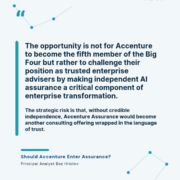
Bozhidar Hristov, Principal Analyst2026-10-16 12:34:552026-10-16 12:34:55Should Accenture Enter Assurance?Technology Business Research, Inc.
https://tbri.com/wp-content/uploads/2026/10/Accenture-Assurance_Blog.png
1350
1080
Bozhidar Hristov, Principal Analyst
https://tbri.com/wp-content/uploads/2021/09/TBR-Insight-Center-Logo.png
Bozhidar Hristov, Principal Analyst2026-10-16 12:34:552026-10-16 12:34:55Should Accenture Enter Assurance?
Technology Business Research, Inc.
https://tbri.com/wp-content/uploads/2026/10/Accenture-Assurance_Blog.png
1350
1080
Bozhidar Hristov, Principal Analyst
https://tbri.com/wp-content/uploads/2021/09/TBR-Insight-Center-Logo.png
Bozhidar Hristov, Principal Analyst2026-10-16 12:34:552026-10-16 12:34:55Should Accenture Enter Assurance?Technology Business Research, Inc.
https://tbri.com/wp-content/uploads/2026/10/Accenture-Assurance_Blog.png
1350
1080
Bozhidar Hristov, Principal Analyst
https://tbri.com/wp-content/uploads/2021/09/TBR-Insight-Center-Logo.png
Bozhidar Hristov, Principal Analyst2026-10-16 12:34:552026-10-16 12:34:55Should Accenture Enter Assurance?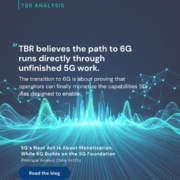 Technology Business Research, Inc.
https://tbri.com/wp-content/uploads/2026/10/5G-and-Monetization_Blog.png
1350
1080
Chris Antlitz, Principal Analyst
https://tbri.com/wp-content/uploads/2021/09/TBR-Insight-Center-Logo.png
Chris Antlitz, Principal Analyst2026-10-09 09:09:232026-10-09 09:09:235G’s Next Act Is About Monetization, While 6G Builds on the 5G Foundation
Technology Business Research, Inc.
https://tbri.com/wp-content/uploads/2026/10/5G-and-Monetization_Blog.png
1350
1080
Chris Antlitz, Principal Analyst
https://tbri.com/wp-content/uploads/2021/09/TBR-Insight-Center-Logo.png
Chris Antlitz, Principal Analyst2026-10-09 09:09:232026-10-09 09:09:235G’s Next Act Is About Monetization, While 6G Builds on the 5G Foundation Technology Business Research, Inc.
https://tbri.com/wp-content/uploads/2026/10/TBR-Analyst-Event-Recap.png
1350
1080
Patrick Heffernan, Practice Manager and Principal Analyst
https://tbri.com/wp-content/uploads/2021/09/TBR-Insight-Center-Logo.png
Patrick Heffernan, Practice Manager and Principal Analyst2026-10-08 08:24:392026-10-07 16:48:33Exploring KPMG’s Role in Quantum
Technology Business Research, Inc.
https://tbri.com/wp-content/uploads/2026/10/TBR-Analyst-Event-Recap.png
1350
1080
Patrick Heffernan, Practice Manager and Principal Analyst
https://tbri.com/wp-content/uploads/2021/09/TBR-Insight-Center-Logo.png
Patrick Heffernan, Practice Manager and Principal Analyst2026-10-08 08:24:392026-10-07 16:48:33Exploring KPMG’s Role in Quantum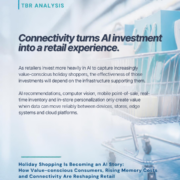 Technology Business Research, Inc.
https://tbri.com/wp-content/uploads/2026/10/Holiday-Shopping-Is-Becoming-an-AI-Story_Blog.png
1350
1080
Stephanie Long, Senior Analyst
https://tbri.com/wp-content/uploads/2021/09/TBR-Insight-Center-Logo.png
Stephanie Long, Senior Analyst2026-10-07 14:15:442026-10-07 14:15:44Holiday Shopping Is Becoming an AI Story: How Value-conscious Consumers, Rising Memory Costs and Connectivity Are Reshaping Retail
Technology Business Research, Inc.
https://tbri.com/wp-content/uploads/2026/10/Holiday-Shopping-Is-Becoming-an-AI-Story_Blog.png
1350
1080
Stephanie Long, Senior Analyst
https://tbri.com/wp-content/uploads/2021/09/TBR-Insight-Center-Logo.png
Stephanie Long, Senior Analyst2026-10-07 14:15:442026-10-07 14:15:44Holiday Shopping Is Becoming an AI Story: How Value-conscious Consumers, Rising Memory Costs and Connectivity Are Reshaping Retail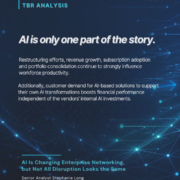 Technology Business Research, Inc.
https://tbri.com/wp-content/uploads/2026/10/AI-Is-Changing-Enterprise-Networking_Blog.png
1350
1080
Stephanie Long, Senior Analyst
https://tbri.com/wp-content/uploads/2021/09/TBR-Insight-Center-Logo.png
Stephanie Long, Senior Analyst2026-10-06 17:26:542026-10-07 14:05:35AI Is Changing Enterprise Networking, but Not All Disruption Looks the SameTechnology Business Research, Inc.
https://tbri.com/wp-content/uploads/2026/10/TBR-Analyst-Event-Recap.png
1350
1080
Patrick Heffernan, Practice Manager and Principal Analyst
https://tbri.com/wp-content/uploads/2021/09/TBR-Insight-Center-Logo.png
Patrick Heffernan, Practice Manager and Principal Analyst2026-10-03 16:22:532026-10-07 16:41:26Exploring KPMG’s Role in AI
Technology Business Research, Inc.
https://tbri.com/wp-content/uploads/2026/10/AI-Is-Changing-Enterprise-Networking_Blog.png
1350
1080
Stephanie Long, Senior Analyst
https://tbri.com/wp-content/uploads/2021/09/TBR-Insight-Center-Logo.png
Stephanie Long, Senior Analyst2026-10-06 17:26:542026-10-07 14:05:35AI Is Changing Enterprise Networking, but Not All Disruption Looks the SameTechnology Business Research, Inc.
https://tbri.com/wp-content/uploads/2026/10/TBR-Analyst-Event-Recap.png
1350
1080
Patrick Heffernan, Practice Manager and Principal Analyst
https://tbri.com/wp-content/uploads/2021/09/TBR-Insight-Center-Logo.png
Patrick Heffernan, Practice Manager and Principal Analyst2026-10-03 16:22:532026-10-07 16:41:26Exploring KPMG’s Role in AI https://tbri.com/wp-content/uploads/2026/09/midmarket_getty-images_canva-pro.png
1350
1080
Jill Cookinham, Research Analyst
https://tbri.com/wp-content/uploads/2021/09/TBR-Insight-Center-Logo.png
Jill Cookinham, Research Analyst2026-09-25 12:03:322026-09-25 12:03:32The Midmarket Opportunity: Which GSIs Can — and Should — Pursue It?
https://tbri.com/wp-content/uploads/2026/09/midmarket_getty-images_canva-pro.png
1350
1080
Jill Cookinham, Research Analyst
https://tbri.com/wp-content/uploads/2021/09/TBR-Insight-Center-Logo.png
Jill Cookinham, Research Analyst2026-09-25 12:03:322026-09-25 12:03:32The Midmarket Opportunity: Which GSIs Can — and Should — Pursue It? https://tbri.com/wp-content/uploads/2026/09/puzzle-pieces.png
1350
1080
Patrick Heffernan, Practice Manager and Principal Analyst
https://tbri.com/wp-content/uploads/2021/09/TBR-Insight-Center-Logo.png
Patrick Heffernan, Practice Manager and Principal Analyst2026-09-11 09:34:192026-09-11 09:34:19The Time to Start Building Your Multiparty Alliance is Now
https://tbri.com/wp-content/uploads/2026/09/puzzle-pieces.png
1350
1080
Patrick Heffernan, Practice Manager and Principal Analyst
https://tbri.com/wp-content/uploads/2021/09/TBR-Insight-Center-Logo.png
Patrick Heffernan, Practice Manager and Principal Analyst2026-09-11 09:34:192026-09-11 09:34:19The Time to Start Building Your Multiparty Alliance is Now https://tbri.com/wp-content/uploads/2026/08/priscilla-du-preez-BjhUu6BpUZA-unsplash-scaled.jpg
1707
2560
Steve Vachon, Senior Analyst
https://tbri.com/wp-content/uploads/2021/09/TBR-Insight-Center-Logo.png
Steve Vachon, Senior Analyst2026-08-24 13:17:542026-08-26 08:01:20Convergence Takes Center Stage as U.S. Telecom Operators Pursue the Next Phase of Growth
https://tbri.com/wp-content/uploads/2026/08/priscilla-du-preez-BjhUu6BpUZA-unsplash-scaled.jpg
1707
2560
Steve Vachon, Senior Analyst
https://tbri.com/wp-content/uploads/2021/09/TBR-Insight-Center-Logo.png
Steve Vachon, Senior Analyst2026-08-24 13:17:542026-08-26 08:01:20Convergence Takes Center Stage as U.S. Telecom Operators Pursue the Next Phase of GrowthOur most-read analysis, free in your inbox each week!
Fill out the form to the right to subscribe to Insights Flight today
New IT Services Vertical Revenue Data Shows TCS’ Public Sector Surge and Market Shifts
/by Patrick Heffernan, Practice Manager and Principal AnalystLearn about TBR’s new IT Services Vertical Revenue Data Excel file. This proprietary data stream, in conjunction with our qualitative analysis of these firms, including their partners and how they operate, offers unprecedented intelligence on which companies are growing or maintaining their revenue or experiencing declines within industry verticals and allows for partner adjustments and competitive maneuvering.
Fujitsu Expands Kozuchi AI Platform and Strengthens Partnerships to Drive Digital Transformation
/by Kelly Lesiczka, Senior AnalystFujitsu’s investments in Fujitsu Kozuchi have equipped the company well to appeal to clients’ needs around the technology, providing opportunities to supply analytics with associated text, vision and trust in support of business operations. While AI technology evolves rapidly to include new capabilities, Fujitsu’s approach to developing the platform and leveraging partners and internal capabilities gives it an advantage in offering a wider set of services.
New Solutions Drive New Revenue Streams for Atos’ Manufacturing Clients
/by Elitsa Bakalova, Senior AnalystAtos has established expertise around delivering predictive maintenance solutions and is applying its skills across industries. The company is working with multiple clients in the theme park and attractions industry, utilizing data and AI as well as edge server technologies to reduce the downtime of rides and improve customer satisfaction.
Federal IT Spending Poised for Another Strong Year in Fiscal 2025
/by John Caucis, Senior AnalystThe new federal fiscal year began with a continuing resolution (CR) that extended government funding until Dec. 20, when a subsequent CR was enacted to fund federal operations until March 14, 2025. Further CR extensions in federal fiscal year 2025 (FFY2025) would cause budget delays that could impede the ability of federal IT contractors to convert backlog into revenue, but most vendors expect revenue growth to remain on a solidly upward growth trajectory in FFY25.
Robots Protecting Themselves From Robots: The Future of AI Security and Vendor Differentiation
/by Bozhidar Hristov, Principal AnalystDemand for analytics services has reached an inflection point, with new opportunities around the development and implementation of secure, industry-aligned agentic AI solutions refueling growth.
B2B Strategic Advantage: Ecosystem Intelligence
/by Patrick Heffernan, Practice Manager and Principal AnalystVendor consolidation and enterprise optimization of existing digital stacks have compelled IT services companies and consultancies as well as their ecosystem partners to think strategically about who to partner with and how to secure and expand their position within the ecosystem. As a result, aligning business priorities with alliance partners will allow IT services companies and consultancies to develop a more empathetic approach to technology-fatigued buyers. Additionally, understanding pricing and commercial structures backed by common knowledge management programs will elevate the value of joint services and appeal to enterprise buyers’ appreciation of a separation of labor, supported by greater transparency and accountability.
KPMG Shifts Focus to Legal Services and AI-driven Strategy Consulting
/by Bozhidar Hristov, Principal AnalystEarlier in January news reports surfaced that a subsidiary of KPMG, KPMG Law US, had applied to operate in Arizona under a state program allowing nonlawyers to operate law firms and provide legal services in the state. KPMG is leaning toward legal services and AI-infused strategy consulting offerings to bolster sales as the firm navigates choppy market conditions within core deal advisory.
Infosys’ Future: Scaling GenAI and SLM Innovation to Drive Growth and Stakeholder Trust
/by Bozhidar Hristov, Principal AnalystDeveloping a client-ready AI-first portfolio is not a strategy unique to Infosys, but keeping pace with the rapidly evolving generative AI (GenAI) market highlights the company’s appetite for innovation and helps it strengthen stakeholder trust. Over the past 24 months, a large portion of vendor-client discussions focused on experimenting with developing and running large language models (LLMs), often fed with either public or nonessential data. Growing adoption of the technology has introduced the need for developing SLMs that are either function or industry specific.
What Spectrum Will 6G Use?
/by Chris Antlitz, Principal AnalystThe telecom industry continues to struggle with realizing new revenue and deriving ROI from 5G, even after five years of market development. TBR continues to see no solution to this persistent challenge, and with no catalyst on the horizon to change the situation, CSPs’ appetite for and scope of investment in 6G will likely be limited.
AI Agents: What Are They, and How Will They Impact the AI PC Space in 2025?
/by Alek Maxfield, Research AnalystOver the past several quarters, OEMs have focused on incorporating local AI-powered features into their new PC releases, with initial neural processing unit (NPU)-enabled use cases leveraging AI to further enhance collaboration experiences and extend battery life. However, AI agents take the NPU’s functionality a step further, combining the capabilities of large language models (LLMs) with other resources to partially or fully automate a wide range of tasks, including responding to emails, booking hotel stays, or opening and closing IT help desk tickets.